


Claire’s Refugee Story
Claire Lemer is Consultant in General Paediatrics and Service Transformation at the Evelina London Children’s Hospital, based at St Thomas’. She is also a member of HGSS and co- chair of US Women, alongside her role as a trustee of the US.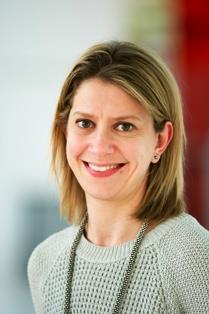
This year, Claire volunteered for two weeks in a refugee camp in Lesbos, Greece, and our intern Leonie Hyman spoke to her about her experience.
What made you decide to volunteer at a refugee camp?
As a paediatrician, I felt that I had useful skills I could offer, and my desire to help was motivated by remembering the support given to my own family when they came to the UK just before the Second World War.
Tell me about the camp and your role on an average day.
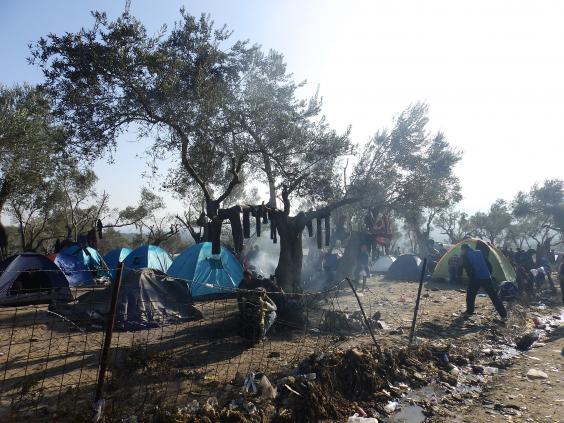
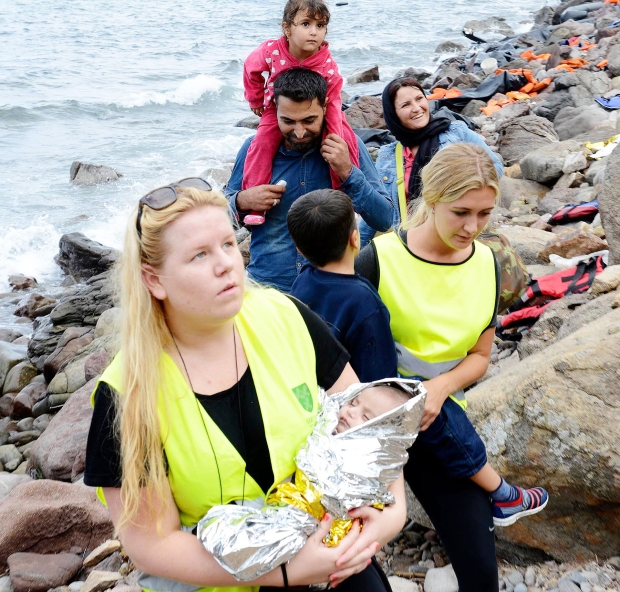 There are two main camps in Lesbos, Moria and Kara Tepe, and I was working in both. In total there were about 9,000 refugees, between all the camps and there were four of volunteers doing medical work with Medicins Du Monde(MDM) Greece.
So I was there to provide medical services, which I did through the organisation ‘Doctors of the World’. I worked predominately with children and young people, covering a range of acute conditions from coughs and colds, to diseases such as lice and scabies, and chronic conditions. However, we were doing this with limited access to blood tests, no running water often and sometimes no electricity. It was also boiling hot. When I was there it was Ramadan and most of the people were fasting, so this obviously caused even more health issues.
These people had gone through so much trauma just to get to Greece. And when they applied for asylum status, they didn’t know if they would get it. They’re all desperate to go to countries such as the UK and Sweden, but the chance of this happening is unlikely. They are ultimately currently trapped in the refugee camps. Because of this, the issues are much more than just physical illness, with mental health problems too. It’s especially difficult to try and help when we have limited access to translators, and so its very hard to communicate.
What was the most difficult aspect?
Before I arrived, I thought that the hardest part would be working at the camp in the day and then leaving and walking round Greece in the evening, as if nothing had happened. Actually, this wasn’t as hard as I thought, as the refugees we learnt to deal with this, just as we do everyday at home when we work with people with complicated distressing illnesses.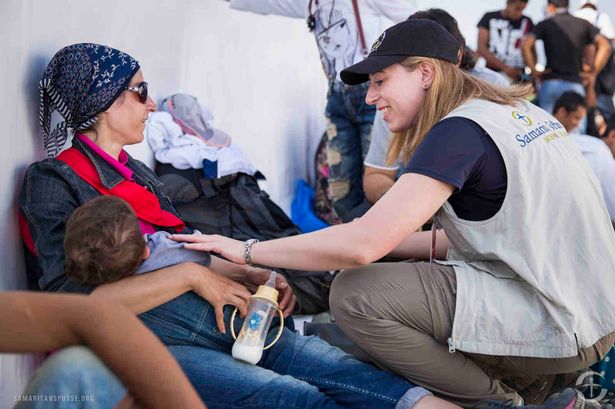
The real eye-opener for me was the complexity involved in absolutely everything we did or provided. For example, before we came we thought it would be a great idea to bring lots of bubbkes and colouring books for the children. Sounds like a nice idea, right? These kids had arrived with nothing other than the wet clothes they were wearing when they came off the boat. However, this means that if some children were given more toys than others or wanted a different toy, it can cause even more distress. Every little thing had so many sides to it and had to be well thought through.
What was the most important thing about the experience for you?
I learnt so much including gaining a better understanding of the needs of one core group of refugees- the unaccompanied minors. These are under 18s without a parent, and there have been a few as young as 4 or 5 years old. In camp Moria there are 90 young boys housed in barracks, behind locked gates. They are so vulnerable so its for their own safety.
TheUK promised they would take in unaccompanied minors, but as of yet they haven’t implemented this. Sure, it is difficult to find homes for them all. However, they promised they would, so need to fulfil this responsibility.
What did you gain from the experience personally?
 Well firstly, I can now look myself in the mirror, with the satisfaction of knowing that I have tried to help. I gained knowledge about the refugee situation, and also learnt a large amount about myself, such as what kind of medicine I can/can’t do.
So do you think you will go back and volunteer again?
Yes, but if I go back I wouldn’t go to Lesbos again. Since Greece closed the Turkish border, there are a lot fewer refugees in Lesbos than previously. Instead, migrants are taking other routes, such as through Libya and Italy, which is a very difficult sea crossing. In these areas the people are even more traumatised and even more help is necessary, especially with mental health issues.
The Greeks are worried that the border with Turkey will open again, and so they’re moving refugees to new camps, such as in Athens. In these new camps, the conditions are even worse, so again, they need more help than in Lesbos.
If someone else wanted to help what could they do?
If you want to go out there and volunteer, then go through an organisation rather than just turning up by yourself. They’re mainly in need of doctors, but also dentists and teachers.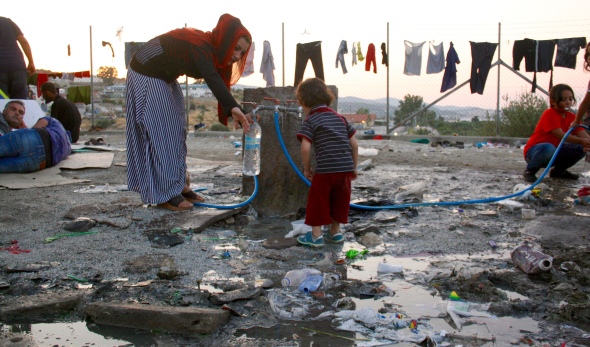
In terms of things you can do at home, there are organisations that send gift bags to refugees, which you can donate to online. To be even more proactive, ask MPs and people you know about why the UK are not doing more about unaccompanied minors. The most important thing is to raise awareness of the reality of being a refugee, so that there is more support for then including unaccompanied minors if and when they come to the UK.
If you have been inspired by Claire’s story and would like to find a volunteering opportunity to assist refugees and asylum seekers here in the UK, please visit our dedicated web page.
Alternatively, for more opportunities abroad, go to supportrefugees.org.uk.


Leave a Reply